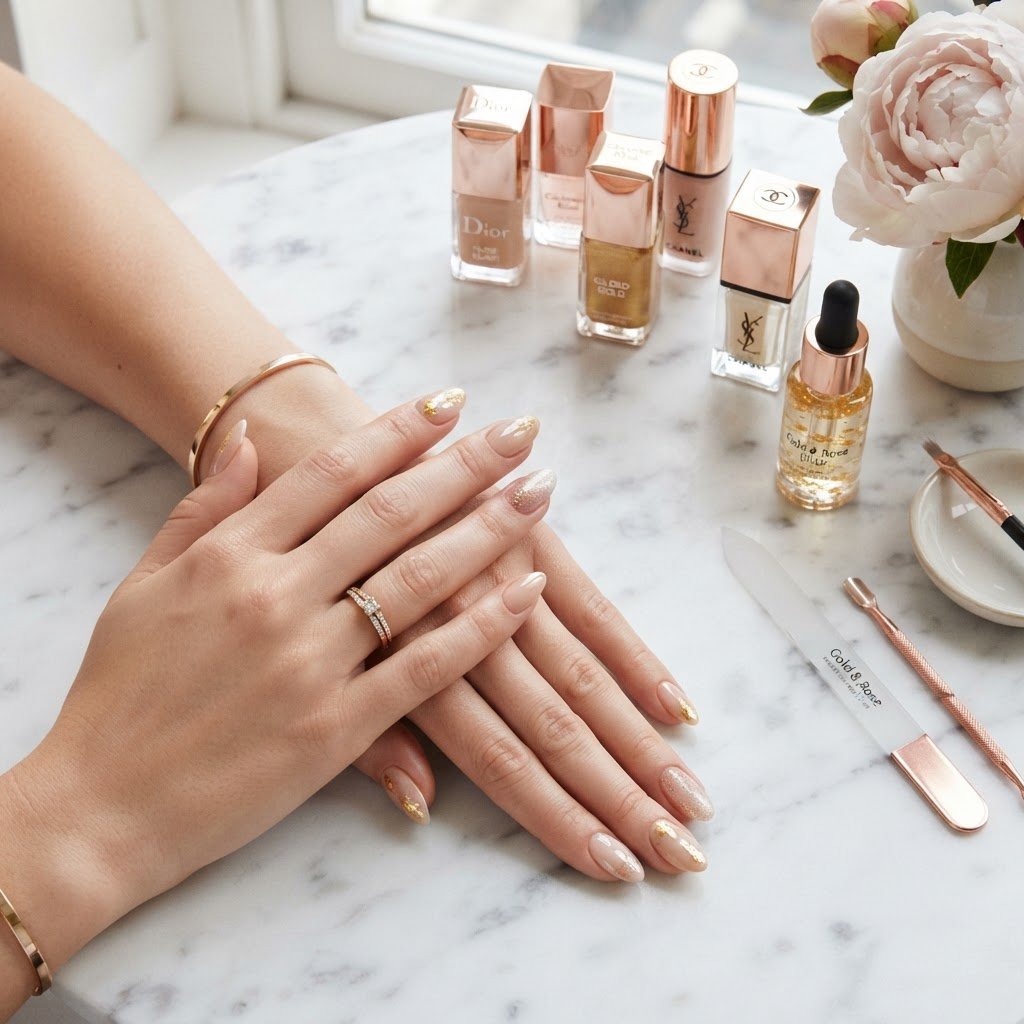
Nails are far more than aesthetic canvases for colorful pigments; they are intricate biological structures that serve as vital protectors for our digits and key indicators of overall physiological health. In the world of luxury grooming, immaculate, well-maintained nails represent refined elegance and meticulous self-care. Whether you adore minimalist sheer manicures or elaborate architectural nail art, mastering nail anatomy and health fundamentals is essential for lasting strength and radiance.
In this definitive guide, we delve deep into nail physiology, step-by-step manicuring protocols, common pathologies, dietary requirements, polish formulations, modern nail art trends, home techniques, and long-lasting maintenance secrets.
"Beautiful nails are built on a foundation of structural health. Perfection in nail design is merely the final brushstroke on a healthy matrix."
Understanding Nail Anatomy: The Biological Foundation
To properly care for your nails, one must understand how they form and grow. The visible nail plate is composed of dense, translucent layers of dead, keratinized epithelial cells produced beneath the skin base.
- Nail Matrix: Situated beneath the proximal nail fold, the matrix is the living growth center responsible for producing new keratin cells. Damage to the matrix can cause permanent ridges or structural defects.
- Nail Plate: The hard outer portion of the nail made of hard alpha-keratin proteins. It contains low lipid levels and water content, making it susceptible to dehydration from harsh chemical solvents.
- Nail Bed: The vascularized connective tissue beneath the nail plate that supplies nutrients and gives healthy nails their natural pinkish hue.
- Cuticle (Eponychium): The delicate seal of skin at the base of the nail plate. Its primary physiological function is to protect the nail matrix from microbial pathogens and moisture intrusion.
- Free Edge and Hyponychium: The extension of the nail plate beyond the fingertip, protected underneath by the hyponychium—a waterproof barrier preventing infection under the nail.
Essential Basic Nail Care Routine
Achieving salon-quality results at home requires a disciplined, methodological approach. Incorporate these foundational steps into your weekly routine:
Step 1: Gentle Shaping and Precision Filing
Never file nails immediately after soaking, as wet keratin layers are soft and prone to micro-tearing. Select a high-grit glass or crystal nail file (240-grit or higher). Always file in one continuous direction from the outer edge toward the center. Sawing back and forth creates micro-fractures that lead to peeling and splitting edges.
Step 2: Micro-Buffing and Surface Smoothing
Use a fine-grit buffer selectively to smooth ridges and prepare the surface for optimal polish adhesion. Limit surface buffing to once every 3 to 4 weeks to avoid thinning the nail plate wall.
Step 3: Meticulous Cuticle Care
Resist the urge to aggressively cut or trim living cuticle tissue. Cutting cuticles leaves the nail matrix vulnerable to bacterial and fungal infections. Instead, apply a rich nutrient cuticle remover, gently push back softened tissue with a glass pusher, and trim only loose, dead hangnails with sanitized nippers.
Common Nail Problems and Clinical Causes
Your nails frequently display subtle signs of nutritional deficiencies, systemic stress, or environmental damage. Recognizing these symptoms allows for swift corrective action:
- Brittle and Splitting Nails (Onychoschizia): Frequently caused by repetitive wet-to-dry cycles, aggressive hand sanitizers, acetone exposure, or low dietary intake of essential fatty acids and biotin.
- Surface Yellowing and Staining: Often stems from applying dark pigmented polishes directly without a protective base coat, or prolonged contact with cleaning chemicals.
- Vertical Ridges: Most commonly a natural consequence of aging, similar to fine lines on the skin. Horizontal ridges (Beau's lines), however, indicate temporary growth interruption due to illness or severe stress.
- White Spots (Leukonychia): Contrary to popular myth, white specks are rarely caused by calcium deficiency; they typically result from minor mechanical impacts to the nail matrix weeks before appearing.
Nail Health and Systemic Nutrition
Topical treatments yield limited success if the body lacks structural building blocks. Optimize your internal nutrition for rapid, resilient nail growth:
- Biotin (Vitamin B7): Crucial for keratin synthesis. Studies demonstrate that daily biotin supplementation thickens fragile, brittle nails significantly over 3 to 6 months.
- Complete Collagen & Amino Acids: Collagen peptides provide proline and cysteine—essential amino acids that strengthen the nail plate matrix.
- Iron and Zinc: Iron deficiency leads to thin, concave nails (spoon nails), while zinc is indispensable for rapid cell division and healthy matrix turnover.
- Omega-3 Fatty Acids: Hydrate the nail bed from within, reducing inflammation and imparting natural flexibility to prevent cracking under strain.
Choosing the Right Polish: Formulations and Safety
Modern luxury nail formulas prioritize clean, non-toxic chemistry without sacrificing durability or shine. Understanding formula variations ensures healthier choices:
10-Free and Clean Formulations
Look for polishes designated as "10-Free" or "13-Free," meaning they exclude formaldehyde, formaldehyde resin, toluene, dibutyl phthalate (DBP), camphor, xylene, parabens, triphenyl phosphate (TPHP), and rosin—harmful chemicals known to cause respiratory irritation, contact allergies, or hormone disruption.
Gel Polish vs. Traditional Lacquer
While gel polish offers chip-free wear for 2 to 3 weeks through UV/LED polymerization, improper removal (scraping or prolonged pure acetone soaking) can cause severe thinning of the dorsal nail plate. Traditional high-shine lacquers combined with modern topcoats offer safe, flexible 7-day wear with minimal maintenance stress.
Popular Contemporary Nail Art Trends
Nail design continues to evolve as an artistic medium. Contemporary trends combine minimalist sophistication with avant-garde textures:
1. The Modern Reimagined French Manicure
Moving beyond classic thick white tips, the modern French manicure features ultra-fine micro-lines, metallic chrome edges, pastel gradients, or asymmetric geometric arches painted over a sheer neutral blush base.
2. Subtle Ombré and Baby Boomer Nails
A seamless, elegant transition from a nude or soft pink base into soft white or complementary muted shades. This airbrushed effect lengthens fingers visually and complements all skin tones effortlessly.
3. Ethereal Marble and Fluid Swirl Patterns
Swirling contrasting shades using a fine detail brush or water-drop technique creates mesmerizing stone, quartz, or liquid smoke textures that ensure every individual nail is a unique piece of art.
4. Minimalist Botanical and Geometric Accents
Single floral stems, delicate gold foil flecks, or precise negative-space dots placed strategically on accent nails deliver quiet luxury without feeling visually overwhelming.
DIY Nail Art at Home: Essential Tools and Techniques
Creating professional nail art at home requires patience and a few basic tools:
- Dotting Tools: Varying spherical metal tips create clean dots, polka patterns, and simple flowers.
- Ultra-Fine Detail Liner Brushes: Synthetic long-bristle brushes make drawing sharp lines, swoops, and outlines effortless.
- Sponges for Gradient Effects: High-density cosmetic latex sponges blend overlapping shades seamlessly onto the nail surface.
Professional Secrets to Make Your Manicure Last Longer
- Dehydrate the Nail Plate Before Painting: Wipe each nail thoroughly with 90% isopropyl alcohol or specialized prep liquid to clear natural oils before base coat application.
- Always Apply a Quality Base Coat: Base coats bond tightly to keratin while anchoring color pigments and preventing yellow staining.
- Cap the Free Edge: Run base coat, color layers, and topcoat horizontally across the front tip of the nail to cap the edge. This prevents water penetration and tip chipping.
- Reapply Top Coat Every 3 Days: Applying a fresh layer of quick-dry, UV-protective topcoat mid-week restores brilliant gloss and seals emerging micro-scratches.
- Wear Protective Gloves: Hot dishwater and household detergents weaken polish bonds and dry out surrounding skin quickly. Always protect your hands during housework.
Nail Care Myths Debunked
Myth 1: "Nails need to breathe."
Nails consist of non-living keratinized cells that do not breathe or inhale oxygen. Oxygen and nutrients are supplied exclusively via the bloodstream to the living matrix underneath. Giving nails a break from polish is useful primarily to allow hydration recovery from acetone removal, not oxygen exposure.
Myth 2: "Soaking nails before a manicure is beneficial."
Keratin absorbs water like a sponge, expanding in size. When polish is applied to water-expanded nails, the nail subsequently shrinks as it dries, causing premature cracking and polish flaking within 48 hours. Modern manicurists prefer dry manicuring techniques for maximal longevity.
By treating your nails with the same care, hydration, and nutritional respect reserved for high-end skincare, you ensure long-lasting nail strength, health, and undeniable sophistication.