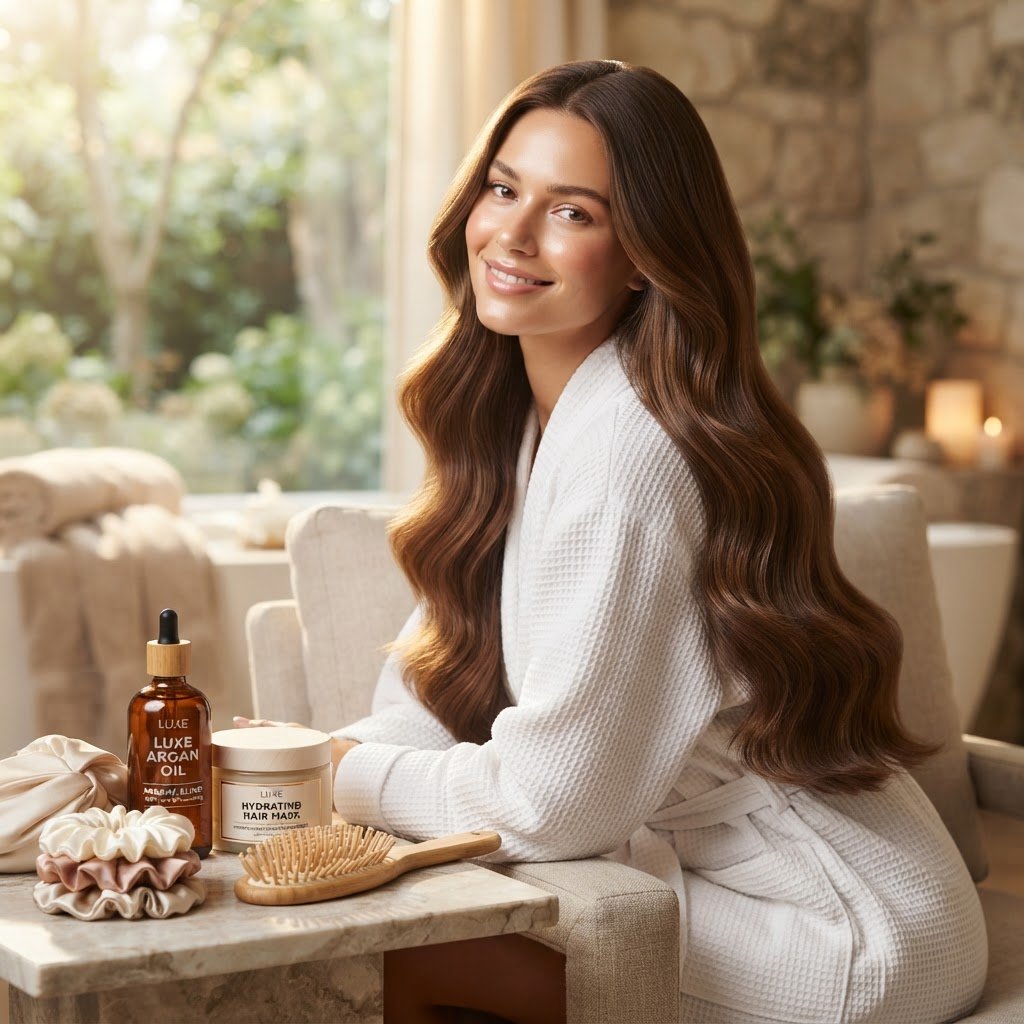
Luminous, silk-smooth hair has long been considered one of the ultimate symbols of vitality, health, and personal beauty. Yet, in our modern world filled with hot styling tools, chemical color treatments, hard water, and environmental pollution, maintaining healthy and shiny hair often feels like an uphill struggle. Brilliant shine is not an illusion created by silicone sprays—it is a direct physical reflection of a smooth, healthy hair cuticle layer reflecting light uniformly.
At Bing Beauty, we believe that exceptional hair health stems from a balanced combination of scalp care, gentle handling, targeted nutrition, and scientific ingredient selection. In this ultimate hair care masterclass, we cover everything you need to know to transform dull, damaged strands into vibrant, glossy tresses.
Understanding Your Hair Type and Porosity
Before building an effective hair care ritual, you must understand your unique hair characteristics: density, diameter, pattern, and most importantly, hair porosity.
The Mechanics of Hair Porosity
Hair porosity refers to your hair shaft's ability to absorb and retain moisture, governed by the arrangement of the outer cuticle scales:
- Low Porosity: Cuticle scales lie flat and tightly bound. Water and products tend to sit on top of the hair shaft rather than penetrating, making hair slow to wet and slow to dry. Lightweight, water-based hydrators and heat cap treatments work best.
- Medium Porosity: The cuticle layer is ideal, allowing moisture to enter easily and remain locked inside. This hair type requires minimal maintenance to sustain shine and elasticity.
- High Porosity: Cuticles are raised or damaged due to chemical processing, bleaching, or heat exposure. Hair absorbs moisture quickly but loses it just as fast, leaving strands prone to dryness, frizz, and tangling. Rich butter, protein treatments, and sealant oils are essential.
"Shine is physics: when your hair cuticle scales lay flat, light reflects cleanly off the surface like a mirror. Damaged cuticles scatter light, giving hair a dull, lifeless appearance."
The Art of Proper Hair Washing Techniques
Believe it or not, many people inadvertently damage their hair during the washing process. Washing your hair correctly can revolutionize its texture and shine:
- Water Temperature Control: Wash your hair with lukewarm water to gently open the cuticle scales without stripping natural sebum. Always conclude your wash with a cool water rinse to smooth the cuticles flat for optimal light reflection.
- Targeted Scalp Cleansing: Apply shampoo exclusively to your scalp and roots where oil and sweat accumulate. Massaging your scalp gently with your fingertips (never fingernails) stimulates blood flow. Allow the suds to run down your lengths naturally as you rinse.
- Conditioning Mid-Lengths to Ends: Never apply heavy conditioner directly to your scalp unless formulated for scalp care. Squeeze excess water out of your hair before applying conditioner from mid-lengths to tips, leaving it on for 3–5 minutes.
- Gentle Towel Drying: Rough drying with traditional cotton towels causes friction, cuticle tearing, and instant frizz. Instead, gently press excess water out using a microfiber towel or soft cotton T-shirt.
Choosing the Right Shampoo and Conditioner Formulations
Scanning ingredient labels is vital when selecting hair cleansers and conditioners. Avoid harsh sulfates (such as Sodium Lauryl Sulfate) that strip natural protective oils and leave the scalp vulnerable to irritation. Instead, seek out gentle coconut-derived cleansers like Sodium Cocoyl Isethionate or Coco-Glucoside.
Balance moisture with structural protein: if your hair feels limp and overly stretchy when wet, it needs protein repair (hydrolyzed wheat or keratin). If your hair feels brittle, stiff, and snaps easily, it craves deep moisture from hyaluronic acid, aloe vera, and panthenol (Pro-Vitamin B5).
The Importance of Deep Conditioning Masks & Bonding Treatments
While daily conditioners provide surface lubrication, weekly deep conditioning masks penetrate into the hair cortex to repair internal bonds and restore lost moisture reserves. Incorporate a rich mask infused with argan oil, shea butter, and ceramides once a week.
For color-treated or heat-damaged hair, bond-building treatments utilizing patented disulfide bond repair technology (such as bis-aminopropyl diglycol dimaleate) are transformative. They reconnect broken molecular bonds inside the hair shaft, restoring structural integrity and natural bounce.
Heat Protection and Styling Guidelines
Thermal styling tools operating at temperatures above 300°F (150°C) melt keratin proteins, degrade internal moisture, and permanently compromise cuticle smoothness. Follow these rules to protect your hair:
- Never apply flat irons or curling wands to damp or wet hair, which causes internal moisture to boil and blast holes in the cuticle (known as bubble hair phenomenon).
- Always apply a dedicated heat protectant spray or cream containing heat-deflecting polymers up to 450°F before styling.
- Lower heat settings: stay below 350°F (175°C) for fine or processed hair, and never linger in one spot for more than a few seconds.
- Embrace air-drying or heatless styling alternatives like silk heatless curling rods or velvet flexi-rods.
Natural Remedies and Oils for Hair Growth and Lustre
Botanical oils have been prized across ancient civilizations for enhancing hair density and gloss:
Rosemary Essential Oil: Clinical studies demonstrate that rosemary oil dilates blood vessels on the scalp, matching the efficacy of 2% minoxidil in encouraging new hair growth over six months when massaged into the scalp regularly.
Argan Oil (Liquid Gold): Rich in Vitamin E and fatty acids, a few drops of pure cold-pressed argan oil smoothed over dry ends tames flyaways and adds an immediate silky sheen.
Jojoba Oil: Mimicking human sebum almost identically, jojoba oil makes an outstanding pre-shampoo scalp oil treatment to loosen dead skin and nourish hair follicles.
Nutrition for Hair: Foods That Feed Your Follicles
Hair cells are among the fastest-growing cells in the human body, but because hair is non-essential tissue, the body redirects nutrients away from hair when nutrient reserves drop. Nourish your hair from within with these nutritional essentials:
- Lean Protein: Since hair is composed of 85–90% keratin protein, ensure adequate intake of eggs, fish, legumes, and Greek yogurt.
- Iron and Ferritin: Low iron levels are a leading cause of telogen effluvium (hair shedding) in women. Eat spinach, lentils, and red meat or consult a doctor regarding supplements.
- Biotin and B-Vitamins: B-complex vitamins support red blood cell formation, delivering oxygen to scalp hair follicles.
- Omega-3 Fatty Acids: Salmon, walnuts, and flaxseed oil lubricate hair roots and support scalp hydration.
Common Hair Problems and Proven Solutions
Address common hair frustrating issues with targeted solutions:
Frizz and Humidity Reactivity
Frizz happens when dry, porous hair absorbs ambient atmospheric moisture, swelling the hair shaft unevenly. Prevent frizz by sealing hair cuticles with anti-humidity serums containing lightweight dimethicone or botanical oils like jojoba and squalane.
Split Ends and Mechanical Breakage
Once a hair tip splits, it cannot be permanently mended. While leave-in sealants temporarily bind split ends together, regular trims every 8–12 weeks are essential to prevent splits from traveling up the hair shaft.
Scalp Flakiness and Dandruff
Distinguish between dry scalp flakiness and true fungal dandruff (Malassezia yeast overgrowth). Treat dandruff with active anti-fungal ingredients like zinc pyrithione, ketoconazole, or tea tree oil, while dry scalp requires soothing hydration.
Tailored Tips for Straight, Wavy, Curly, and Coily Textures
Customizing your daily care routine according to your natural curl pattern yields optimal results:
Straight Hair (Type 1): Prone to oil accumulation at roots. Use clarifying shampoos bi-weekly, lightweight conditioners, and avoid heavy butter oils that weigh hair down.
Wavy Hair (Type 2): Benefits from lightweight mousse and sea salt sprays to enhance natural wave formation without crunchiness.
Curly Hair (Type 3): Craves intense hydration. Apply leave-in conditioners to soaking wet hair using the "praying hands" method, and diffuse on low heat.
Coily Hair (Type 4): Highly vulnerable to breakage. Utilize the LOC (Liquid-Oil-Cream) method to lock in moisture, and wear protective styles like braids or twists.
Scalp Care: The Root of Hair Longevity
Remember: healthy hair can only grow from a healthy, balanced scalp ecosystem. Exfoliate your scalp monthly with gentle salicylic acid or physical scalp scrubs to remove stubborn product buildup, dead skin cells, and excess sebum. A nourished scalp guarantees thriving, glossy hair for years to come!