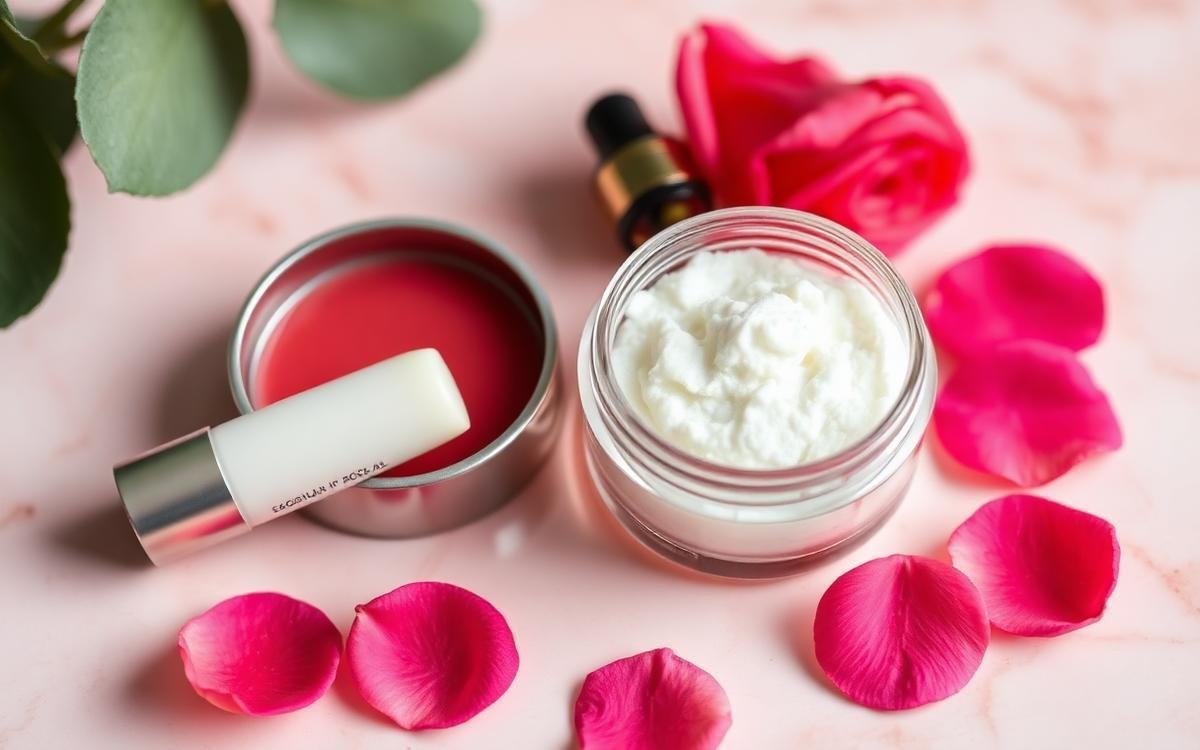
Lip skin is only three to five cell layers thick, has no oil glands and almost no melanin. It is the most fragile skin on your face, and it is also the part most people neglect entirely.
Why Lips Dry Out
Without sebaceous glands, lips cannot produce their own moisture barrier, so they lose water up to three times faster than facial skin. Cold wind, indoor heating, dehydration, mouth breathing, certain medications, and above all the habit of licking your lips accelerate the loss. Saliva evaporates quickly and takes surface moisture with it, which is why licking makes chapping worse within minutes.
Ingredients That Genuinely Help
Look for occlusives that seal moisture in: petrolatum, lanolin, shea butter and beeswax. Add humectants that draw water in, such as glycerin and hyaluronic acid, and emollients that soften, like squalane, jojoba and ceramides. Vitamin E and niacinamide support repair over time.
Ingredients to Avoid
Menthol, camphor, phenol, salicylic acid, strong fragrance and cinnamon flavourings create a cooling or tingling sensation that feels effective but is mildly irritant. They encourage reapplication by keeping the lips slightly inflamed — the reason some balms feel addictive.
How to Exfoliate Safely
Once or twice a week is plenty. Apply balm, wait five minutes to soften the flakes, then buff gently with a damp soft toothbrush or a sugar-and-honey scrub for no more than thirty seconds. Never peel flakes off manually; you will tear living tissue and cause bleeding and pigmentation.
Your Daily Lip Routine
Morning: cleanse gently, apply a hydrating balm with SPF 30 — lip cancer is real and the lower lip receives heavy UV exposure. Daytime: reapply after eating or drinking, and drink enough water. Night: apply a thick occlusive lip mask so the lips repair during sleep, when transepidermal water loss peaks.
Seasonal Adjustments
In winter, switch to a heavier balm, run a humidifier, and cover your mouth with a scarf in cold wind. In summer, prioritise SPF and lightweight hydration. Air conditioning is as dehydrating as central heating, so do not assume warm weather means less protection.
Making Lipstick Comfortable
Matte liquid lipsticks are the most drying formulas available. Prep with balm, blot the excess so the colour still adheres, and choose formulas with added oils. Always remove lipstick with a balm or oil cleanser rather than scrubbing with a wipe.
When Dryness Is Something Else
Persistent cracking at the corners of the mouth may indicate angular cheilitis, iron or B-vitamin deficiency, or a reaction to toothpaste containing sodium lauryl sulfate. If lips remain painfully split for more than two weeks despite good care, see a doctor rather than adding another balm.