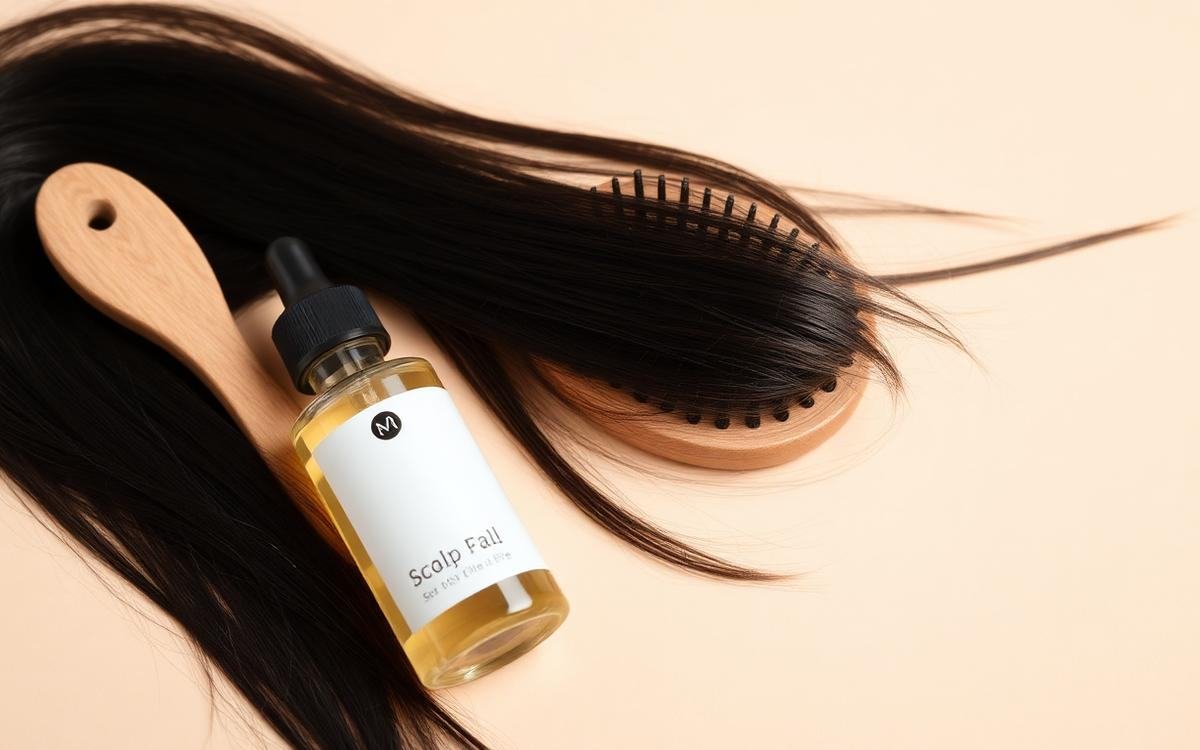
Losing fifty to a hundred hairs a day is normal. The problem is not the hairs in the drain — it is whether they are being replaced, and whether your part line is widening.
Shedding vs Thinning
Telogen effluvium is diffuse shedding, usually starting two to three months after a trigger such as illness, surgery, childbirth, crash dieting or severe stress. It is temporary and reverses. Pattern hair loss is gradual miniaturisation of follicles — a widening part or receding temples — and it is progressive without treatment.
Nutritional Causes
Low ferritin (iron stores) below about thirty is a common and correctable cause, especially in menstruating women. Vitamin D deficiency, low zinc and inadequate protein all contribute. Get tested rather than guessing; supplementing iron without deficiency is harmful.
Hormonal and Medical Causes
Thyroid disorders, PCOS, postpartum hormone shifts, menopause and some medications all cause hair loss. These need medical diagnosis. A blood panel covering ferritin, thyroid function, vitamin D and hormones answers most cases.
Scalp Health
Seborrhoeic dermatitis, chronic dandruff and inflammation impair the follicle environment. Use an anti-fungal shampoo with ketoconazole or zinc pyrithione twice a week, massage the scalp daily for a few minutes, and avoid heavy oils if you are prone to build-up.
Treatments With Evidence
Topical minoxidil is the best-supported over-the-counter option and needs at least four to six months of daily use. Rosemary oil showed comparable results to two percent minoxidil in one small trial. Microneedling with a dermaroller, ketoconazole shampoo and, medically, oral treatments prescribed by a dermatologist all have research support. Most sold supplements do not.
Handling Habits That Cause Breakage
Tight ponytails, braids and extensions cause traction alopecia, which can become permanent at the hairline. Heat styling above 180°C, aggressive brushing of wet hair and chemical processing all break existing hair, which looks like loss. Silk pillowcases and loose styles help.
Set the Right Timeline
Hair grows about one centimetre a month, and follicles need a full cycle to respond. Judge any treatment at six months with monthly photographs in the same light, not by daily drain counts. If your part is visibly widening, see a dermatologist early — early intervention preserves far more hair than late.