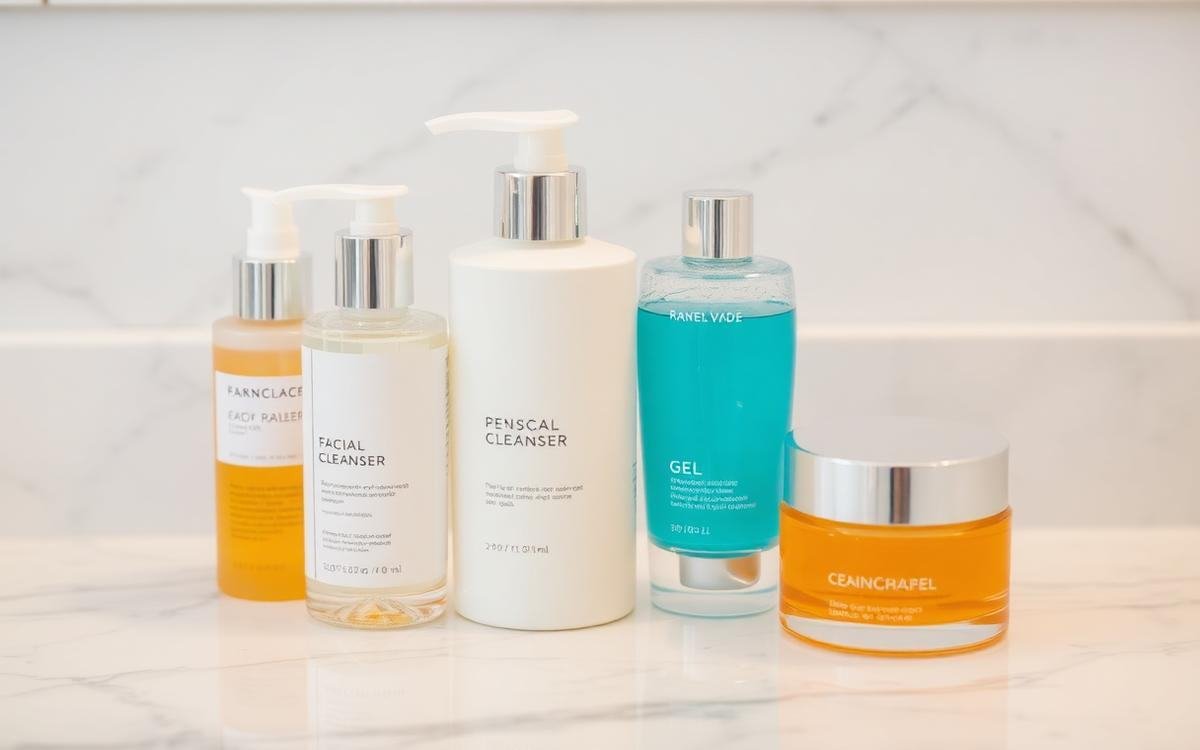
Cleanser is the only product that touches every millimetre of your face and then gets removed. Choose badly and it undermines everything applied after it.
The Squeaky-Clean Myth
If your face feels tight after washing, the cleanser has stripped your barrier lipids. Clean skin should feel comfortable and soft, not taut. That tight sensation is damage, not cleanliness.
Oily and Acne-Prone Skin
Gel cleansers with mild surfactants, salicylic acid at 0.5–2 percent, or low-percentage benzoyl peroxide as a short-contact wash. Avoid high-pH bar soaps and anything with alcohol high in the ingredients list. Wash twice daily; over-washing rebounds into more oil.
Dry and Mature Skin
Cream, milk or oil cleansers with glycerin, ceramides and squalane. Skip the morning cleanser entirely if your skin is very dry — a lukewarm water rinse is enough after a night on a clean pillowcase.
Combination Skin
A gentle gel-cream hybrid works, or use a gel cleanser on the T-zone and a cream cleanser on the cheeks. Balanced pH formulas around 5.5 suit combination skin best.
Sensitive and Reactive Skin
Fragrance-free, non-foaming, short ingredient lists. Look for oat, panthenol, allantoin and centella. Avoid essential oils, sulphates and physical scrub particles altogether.
Double Cleansing: When It Is Necessary
If you wear sunscreen, long-wear makeup, or live in a polluted city, an oil or balm cleanser first, then a water-based cleanser, removes what one wash cannot. On a bare-faced day, one cleanse at night is enough.
Technique Matters as Much as Product
Use lukewarm water — hot water strips lipids and triggers redness. Massage for sixty seconds with fingertips, rinse thoroughly along the jaw and hairline where residue causes breakouts, and pat dry with a clean towel. Apply your next product within a minute while the skin is still slightly damp.