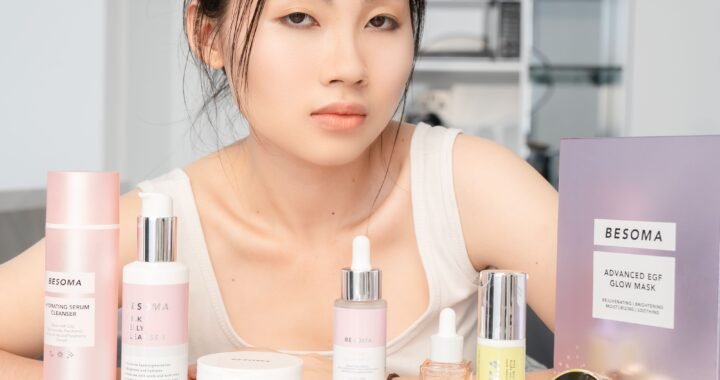

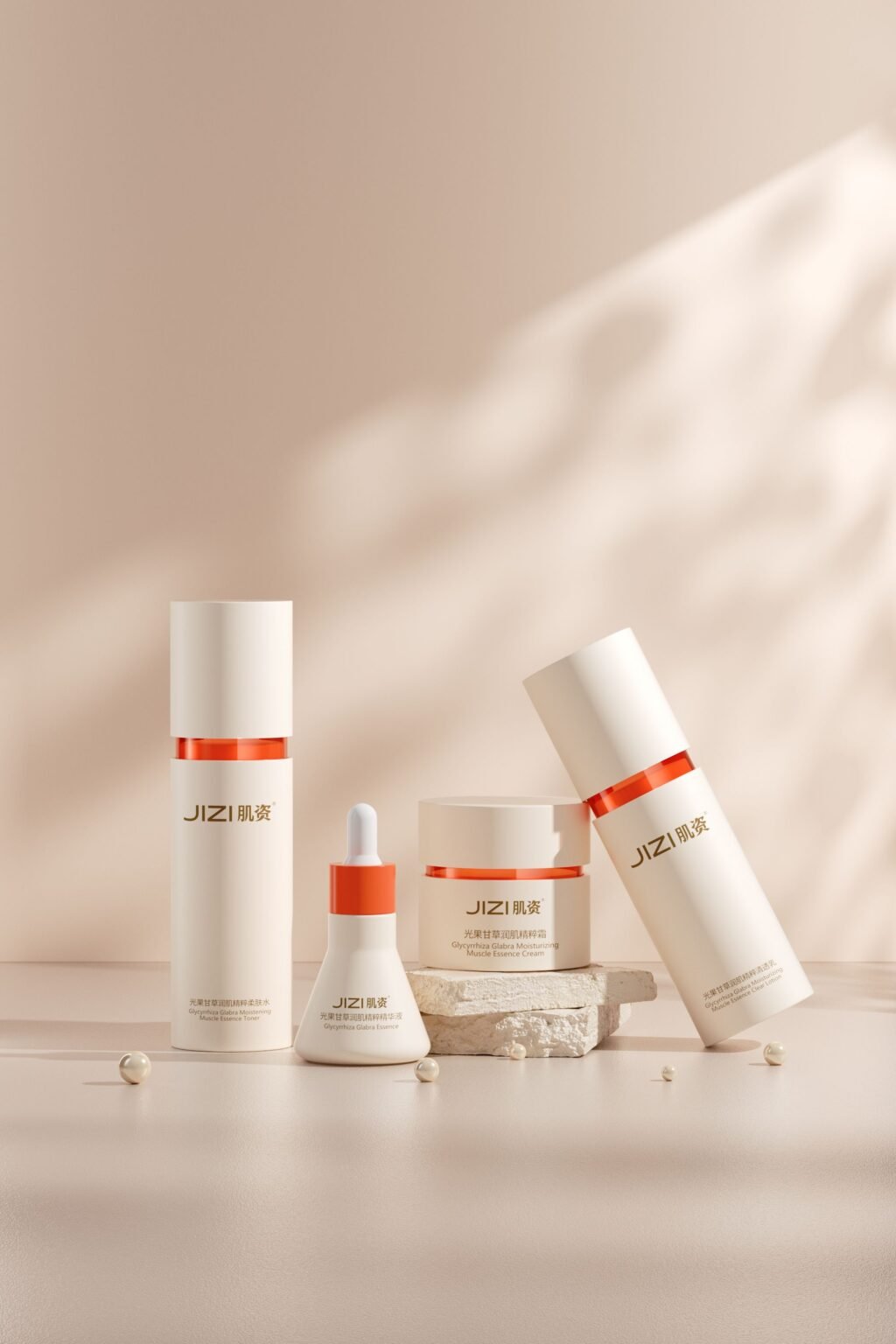
If your current skincare regimen includes just a cleanser and a basic moisturizer, you might be missing out on the single most effective product category in modern dermatology: facial serums.
While cleansers remove surface impurities and moisturizers seal in hydration, facial serums deliver a concentrated dose of active ingredients directly into the deeper layers of the skin. Whether your goal is fading stubborn dark spots, smoothing fine lines, calming redness, or unclogging pores, adding a targeted serum can transform your results.
What Is a Facial Serum?
A facial serum is a lightweight, fast-absorbing topical product formulated with a high concentration of active performance ingredients. Unlike heavy creams or ointments that contain occlusives (like petrolatum or mineral oil) designed to sit on the skin’s surface, serums are composed of much smaller molecules.
Because of this unique molecular structure, facial serums can penetrate deeper into the epidermis, delivering potent vitamins, antioxidants, peptides, and acids where they are most effective.
How Serums Differ from Moisturizers and Toners
- Toners: Traditionally designed to balance skin pH and provide initial surface hydration after cleansing.
- Serums: Formulated to treat specific dermatological concerns with high-potency actives (often 10% to 20%+ concentrations).
- Moisturizers: Designed to strengthen the lipid barrier, smooth surface texture, and prevent trans-epidermal water loss (TEWL).
Key Benefits of Incorporating a Serum
1. High Concentration of Active Ingredients
Because serums contain minimal thickeners, emollients, or occlusives, they are packed with pure active compounds. While a standard moisturizer might contain 1% to 2% of a key ingredient like Niacinamide or Vitamin C, a serum can offer optimized concentrations designed for visible results.
2. Deep Cellular Penetration
The small molecular weight of serum formulations allows active compounds to pass through the superficial layer of dead skin cells (stratum corneum) faster and more thoroughly than heavy emulsions. This deep delivery system makes serums particularly effective for addressing issues rooted below the surface, such as hyperpigmentation and loss of elasticity.
3. Rapid Absorption with a Weightless Feel
For individuals with oily, combination, or acne-prone skin, heavy cream moisturizers can feel uncomfortable or trigger congestion. Serums are typically water-based or lightweight gels, absorbing almost instantly without leaving a sticky or greasy residue.
4. Targeted Solutions for Specific Skin Concerns
Serums are problem-solvers. Rather than offering broad, general maintenance, you can choose a serum formulated to address your exact skin goals:
- Hyperpigmentation & Dark Spots: Vitamin C, Alpha Arbutin, Tranexamic Acid, Kojic Acid.
- Fine Lines & Wrinkles: Retinol, Bakuchiol, Copper Peptides, EGF (Epidermal Growth Factors).
- Dehydration & Tightness: Multi-molecular Hyaluronic Acid, Sodium PCA, Polyglutamic Acid.
- Redness & Barrier Sensitivity: Centella Asiatica, Niacinamide, Panthenol (Vitamin B5), Ceramides.
- Acne & Congestion: Salicylic Acid (BHA), Azelaic Acid, Zinc.
5. Boosts the Overall Efficacy of Your Routine
Using a serum optimizes the rest of your products. For instance, applying a hydrating hyaluronic acid serum before your daily moisturizer traps water underneath the cream’s protective lipid seal, significantly boosting overall moisture retention. Similarly, pairing an antioxidant serum with your morning sunscreen enhances protection against free radical damage caused by UV rays and atmospheric pollution.
The Pros and Cons of Facial Serums
Before adding one or more serums to your vanity, it is helpful to weigh the advantages against potential drawbacks:
| Advantages (Pros) | Potential Drawbacks (Cons) |
| High Potency: Faster, more noticeable results for targeted concerns. | Higher Cost: Premium formulations with stable active ingredients can be expensive per ounce. |
| Lightweight Texture: Ideal for layering and comfortable on all skin types. | Risk of Irritation: High concentrations of strong actives (like Retinol or AHAs) can cause stinging or redness if introduced too quickly. |
| Non-Comedogenic: Less likely to clog pores compared to heavy occlusive creams. | Short Shelf Life: Pure antioxidants like L-Ascorbic Acid (Vitamin C) can oxidize rapidly if exposed to light and air. |
| Customizable: Easy to swap different serums for morning vs. night regimens. | Requires Correct Layering: Incorrect application order can block absorption or cause product pilling. |
Popular Types of Serums and Their Key Ingredients
Antioxidant Serums (Daytime Defense)
- Star Ingredients: Vitamin C (L-Ascorbic Acid), Ferulic Acid, Vitamin E, Resveratrol.
- Primary Role: Neutralizes reactive oxygen species (free radicals) caused by sun exposure, smog, and blue light, while brightening uneven skin tone.
Hydrating Serums (Universal Moisture)
- Star Ingredients: Hyaluronic Acid (low, medium, and high molecular weights), Glycerin, Polyglutamic Acid, Panthenol.
- Primary Role: Pulls moisture from the surrounding environment into skin cells, instantly plumping fine dehydration lines.
Exfoliating Serums (Texture & Clarity)
- Star Ingredients: Glycolic Acid (AHA), Lactic Acid (AHA), Salicylic Acid (BHA), PHA (Gluconolactone).
- Primary Role: Dissolves intercellular glue holding dead skin cells together, smoothing rough texture, and clearing clogged pores.
Anti-Aging & Renewal Serums (Nighttime Repair)
- Star Ingredients: Encapsulated Retinol, Tretinoin, Matrixyl 3000, Copper Tripeptide-1.
- Primary Role: Stimulates cellular turnover and boosts natural collagen synthesis to improve firmness and smooth fine lines.
How to Apply Facial Serums Correctly
To maximize the benefits of your facial serum and avoid product wastage, follow these application best practices:
[Cleanser] ➔ [Toner / Essence] ➔ [FACIAL SERUM] ➔ [Moisturizer] ➔ [SPF (AM Only)]
- Start with Clean, Damp Skin: Cleanse thoroughly to remove surface debris. Apply your serum while skin is slightly damp from toner or water to improve humectant absorption.
- Use the Right Amount: Less is more with concentrated formulas. 3 to 5 drops (or a pea-sized amount) is typically sufficient for your entire face and neck.
- Press, Don’t Rub: Warm the fluid between your fingertips and gently press it into your face and neck rather than aggressively dragging your skin.
- Allow Absorption Time: Wait 30 to 60 seconds for the serum to fully sink in before applying your moisturizer.
- Seal It In: Always follow up with a moisturizer to create an occlusive barrier that prevents the active ingredients from evaporating.
Common Mistakes to Avoid
- Dropping the Pipette Directly onto Your Face: Avoid touching the glass dropper directly to your skin, as this transfers surface bacteria back into the bottle, contaminating the entire product.
- Over-Layering Too Many Actives: Using multiple serums with strong ingredients (such as mixing Retinol, Glycolic Acid, and Vitamin C in one sitting) can destroy your skin barrier and cause severe irritation.
- Skipping Patch Tests: Because serums contain high concentrations of active ingredients, always perform a 24-hour patch test on your inner arm or jawline before applying a new product to your entire face.
Frequently Asked Questions (FAQ)
Q1: Can I use more than one serum at the same time?
Yes, this practice is known as “serum stacking.” However, limit yourself to 2 serums per routine. Apply the thinner, water-based serum first, followed by the slightly thicker formulation. Always ensure the active ingredients complement each other (e.g., Hyaluronic Acid + Niacinamide) rather than competing (e.g., Retinol + Exfoliating Acids).
Q2: Should I use a facial serum in the morning or at night?
It depends on the active ingredients. Protective serums (like Vitamin C and antioxidants) are ideal for the morning to combat environmental stress. Regenerative and exfoliating serums (like Retinol, Glycolic Acid, or high-strength BHAs) should be reserved for nighttime use. Hydrating serums (like Hyaluronic Acid) can be used both morning and night.
Q3: Can a serum replace my daily moisturizer?
Generally, no. Serums provide targeted active ingredients and water-based hydration, but they typically lack the emollients and occlusive lipids required to seal in moisture and preserve the skin barrier. Skipping moisturizer can lead to trans-epidermal water loss, leaving skin dehydrated over time.
Incorporating a targeted facial serum into your daily routine is one of the most effective steps you can take toward healthier, more radiant skin. By selecting active ingredients tailored to your unique goals and applying them consistently in the correct order, you unlock noticeable improvements in skin clarity, hydration, and overall tone.